Few phone calls rearrange a day faster than the one from the school office or daycare front desk telling you your child is not feeling well. In the space of a two-minute conversation, you suddenly need a pickup plan, a coverage plan for work, and a clear head. The good news is that most of the stress of these calls comes from surprise, not from the situation itself, and surprise is something you can plan for.
Parents who weather these calls most smoothly are rarely the ones with the most flexible jobs or the shortest commutes. They are the ones who did a little quiet homework in advance: they know their school's illness policy, their emergency contact forms are current, and they have already had the "if the school calls, who goes?" conversation at home. When the call comes, they are executing a plan instead of inventing one.
This post walks through that homework, piece by piece. None of it is complicated, and almost all of it can be done in calm moments before anyone gets sick. Think of it as building a small safety net under your family's week, so that a midday call becomes a logistics task instead of a crisis.
📋 Know the Policies Before You Need Them
Every school and daycare has written rules about illness: when they will call, when a child must be picked up, and what they require before a child comes back. You do not have to agree with every line, but you do want to know what is in them, because the front office will follow them either way.
- Request a copy of your school's or daycare's illness and exclusion policy at the start of each year.
- Read the sections on required pickups, medication handling, and return requirements so nothing surprises you midyear.
- Save a photo or digital copy of the policy somewhere you can find it from your phone.
- Note how the school will contact you - phone, app notification, or email - and make sure those channels are not muted during work hours.
- Follow the school's stated process and your pediatrician's guidance on any question about when your child can return, rather than guessing.
📞 Build a Pickup Plan with Layers
Schools generally expect a sick child to be picked up promptly, and a single point of failure - one parent with one car and one meeting-heavy calendar - is where plans break down. A layered plan means the second and third options are already agreed on before anyone's phone rings.
- List two or three backup adults who could realistically do a midday pickup, such as a grandparent, neighbor, or trusted friend.
- Ask each backup person explicitly and confirm they are willing, rather than assuming they will say yes in the moment.
- Make sure every backup adult is listed on the school's authorized pickup form, since most schools will not release a child to someone who is not.
- Agree with your partner or co-parent on a default order: who gets called first, and under what circumstances the other takes over.
- Keep car seats, booster seats, and door codes sorted out for backups ahead of time so a pickup is actually possible, not just theoretical.
🗂️ Keep Forms and Contacts Current
Emergency contact forms are easy to fill out in August and forget by February, but they are the first thing the office checks when your child is in the sick room. Stale phone numbers and outdated authorizations slow everything down at exactly the wrong moment.
- Review emergency contact forms every time a phone number, job, or address changes, not just at enrollment.
- Update the school promptly when your pediatrician, insurance, or authorized pickup list changes.
- Keep any medication authorization forms the school requires on file and renewed on the school's schedule.
- Store copies of submitted forms, doctor's notes, and school correspondence in one place so you can reference or re-send them quickly.
- Ask the office once a year whether anything in your child's file needs refreshing - a two-minute conversation that prevents real headaches.
💬 Communicate Well in the Moment
When the call comes, the office staff are working through a checklist, and you can make the next hour smoother for everyone by being clear and brief. A calm, organized response also gets you better information about how your child is doing.
- Confirm the essentials first: who is with your child, how they seem, and by when pickup is expected.
- State clearly who will be coming, especially if it is a backup adult the office may not recognize.
- Ask what the school observed and when it started, and jot it down while it is fresh.
- Message the teacher afterward about missed work or upcoming events so your child is not behind on top of being sick.
- Thank the staff - they see a lot of sick kids, and a good relationship with the front office pays off all year.
🤝 Plan Coverage with Your Partner and Village
A sick day rarely ends at pickup. Someone has to be home that afternoon, and possibly the next day, and negotiating that under pressure strains even strong partnerships. Deciding the framework in advance keeps the conversation short when it matters.
- Talk with your partner or co-parent about how you will split sick days before the season starts, whether by alternating days, comparing calendars, or trading half-days.
- Learn your workplace's sick leave and family leave options now, so you know what you can use without scrambling.
- Keep a short list of people who can help in other ways, like walking the dog, grabbing groceries, or picking up a sibling.
- Share the day's notes - what the school said, how your child seems, any pickup handoffs - with everyone involved so nobody is relaying details from memory.
- Debrief after each sick day for two minutes: what worked, what did not, and what to adjust in the plan.
✅ Quick Action Plan
- Get and save a copy of your school's or daycare's illness policy today.
- Verify your emergency contact and authorized pickup forms are current.
- Line up two backup pickup adults and confirm they are on the school's list.
- Agree with your partner or co-parent on who takes the first call and how sick days get split.
- Create one place - digital or paper - where school forms, notes, and correspondence live.
- Check your workplace's sick and family leave policies before you need them.
This article is for educational purposes only and is not medical advice. Always consult your pediatrician or a qualified healthcare professional for any questions about your child's health, symptoms, medications, or when your child is ready to return to school or daycare, and seek urgent care right away for any emergency or warning signs.
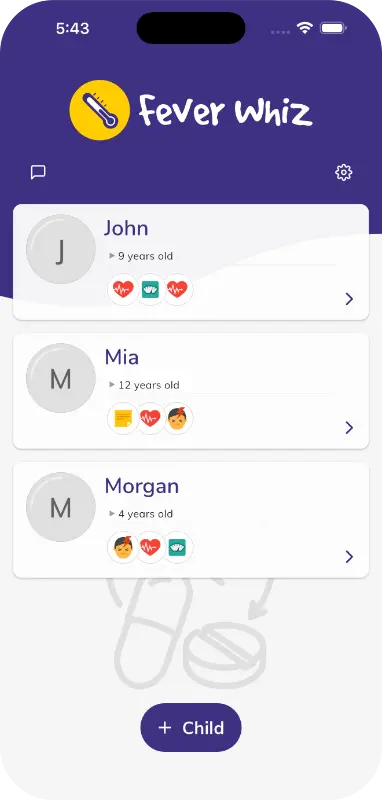
When a sick-day call turns your afternoon upside down, the Fever Whiz app can help you keep the details straight. Log temperatures, symptoms, and medications as they happen, jot down what the school observed, and share a real-time care timeline with your partner, grandparents, and backup caregivers so everyone stays on the same page. It is a free and simple way to stay organized on the days that need it most.