It’s 6:00 AM. You’re reaching for your laptop to check emails before the kids wake up, and you hear it: the cough. Or maybe you walk into their room and are greeted by a warm forehead and sleepy eyes. Instantly, your heart sinks—not just because your little one isn't feeling well, but because you have a presentation due at noon, a report due by five, and a calendar full of meetings.
Take a deep breath. That tightness in your chest? It’s familiar to almost every working parent. The collision of a sick child and a busy work schedule is one of the most stressful, guilt-inducing moments of parenthood.
I’m here to tell you that you are not alone, and you don’t have to lose it. It is possible to navigate this day with grace. Here is your calm, practical guide to juggling sick days and work deadlines.
1. Pause and Pivot: The Morning Reset
Before you panic-email your boss, pause. Assess the situation. Is your child lethargic? Are they asking for cuddles, or are they happily watching cartoons with a box of tissues?
Check your bandwidth. Be realistic. If your child needs constant holding, you cannot be on a video call. If they are resting comfortably, you might be able to squeeze in some quiet work. Give yourself permission to change the plan. Work is important, but your child needs you right now.
2. Communicate with Work Early
The sooner you communicate, the better. You don’t need to over-explain. A simple, professional message works best:
"Hi [Manager], I have a sick child at home today. I will be online intermittently, but my availability may be limited. I will keep you updated on my progress with [Project]."
If you have a deadline that truly cannot move, ask for help. Can a colleague cover a meeting? Can the deadline be pushed to tomorrow? Most reasonable employers understand that family emergencies happen. The guilt you feel is natural, but try to let it go—you are doing your best.
3. Set Up the "Sick Bay"
Create a comfortable, low-stimulation environment for your child. Think of it as a cozy nest.
- The Essentials: Water, tissues, and comfort items (blankets, favorite stuffed animals) within arm's reach.
- Entertainment: Low-energy activities. Audiobooks, favorite movies, or quiet puzzles.
- Your Station: If you are working from home, set up your laptop next to them. This allows you to type while they rest their head on your shoulder. It’s not the most ergonomic setup, but it works for connectivity.
4. Observation: Be the Historian
This is where you can feel truly empowered as a parent. You know your child best. While you are sitting with them, take on the role of an observer. You are gathering information to help your pediatrician help you.
Instead of relying on memory, write things down. Jot notes in a notebook or use a tracking tool. When you finally get an appointment with the doctor, you want to be able to answer their questions clearly.
What to observe (general wellness): * Appetite and Hydration: Are they drinking fluids? Are they eating normally? * Energy Levels: Are they playful when the fever is down, or lethargic even then? * Sleep: Are they sleeping restlessly or soundly? * General Mood: Cranky? Whiny? Or unusually quiet?
Note: If you see anything that worries you—difficulty breathing, dehydration, or a high fever that won't come down—please contact your pediatrician or seek urgent care immediately.
5. Preparing for the Pediatrician Visit
If you decide a doctor's visit is necessary, preparation makes the trip much smoother.
- Have your list ready: Bring your notes on symptoms, temperatures, and times.
- Ask questions: Write down your top 3 questions so you don't forget them in the moment.
- Know the meds: Have a list of any medications or supplements your child is currently taking.
- Ask for clarification: If the doctor gives instructions, repeat them back to ensure you understand.
Important: Always consult your pediatrician regarding medication dosing, treatment plans, and when to introduce specific medicines. Never rely on internet searches for dosing instructions. Your doctor is your partner in this.
6. Coordinate the Care Team
Parenting is a team sport. If you have a partner at home, tag-team. One handles the sick child while the other works, then switch.
If you are solo parenting, reach out to your village. Can a grandparent come over for an hour so you can take a call? Can a neighbor drop off soup or electrolytes?
If multiple people are caring for your child (e.g., you and a partner, or you and a nanny), communication is vital to prevent double-dosing or missed doses. Ensure everyone is on the same page regarding the schedule.
7. Look After Yourself, Too
You cannot pour from an empty cup. In the rush to care for your child and meet work obligations, don't forget to eat, hydrate, and breathe.
- Lower your standards: The laundry can wait. Dinner can be toast. It’s okay.
- Take micro-breaks: Five minutes to drink coffee while it's still hot can reset your mood.
- Forgive yourself: You might not be the "Employee of the Month" or the "Parent of the Year" today, and that is perfectly okay. You are showing up, and that is enough.
Disclaimer
This blog post is for general educational and informational purposes only. It is not a substitute for professional medical advice, diagnosis, or treatment. Fever Whiz is NOT a medical device. Always seek the advice of your pediatrician or other qualified health provider with any questions you may have regarding a medical condition or medication. Never disregard professional medical advice or delay in seeking it because of something you have read here. If you think your child may have a medical emergency, call your doctor or emergency services immediately.
A Little Help Staying Organized
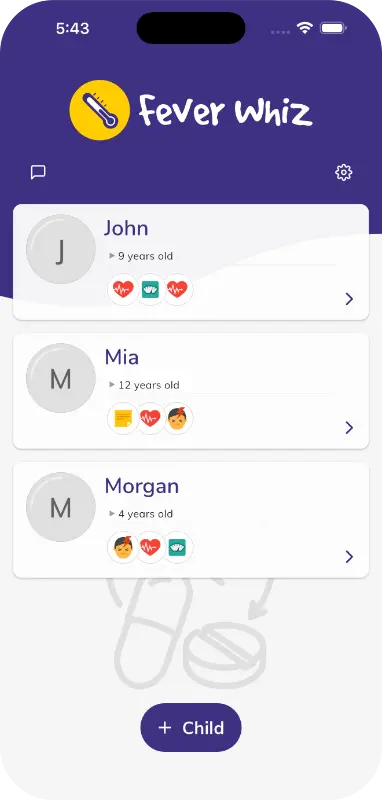
If you find yourself scrambling to remember "Did I give them medicine at 10 AM or 11 AM?" or "What was their temperature last night?", consider using the Fever Whiz app.
Fever Whiz is a free, private tool designed to help parents and caregivers stay organized during sick days. You can log medications, temperatures, and symptoms, set smart reminders so you never miss a dose, and visualize trends with easy-to-read charts. It also lets you store medical documents and share a real-time care timeline with your partner or nanny, so everyone caring for your child stays in sync. It’s like having a personal assistant for your child’s care—so you can focus less on the paperwork and more on the cuddles.